[1] Schuette et al. (1994), JPEN: diglycinate vs oxide bioavailability. PMID: 7815675.
[2] Firoz & Graber (2001), Magnesium Research: commercial prep absorption. PMID: 11794633.
[3] Lindberg et al. (1990), J Am Coll Nutr: citrate vs oxide bioavailability. PMID: 2407766.
[4] APA Stress in America (2024): stress prevalence data.
[5] Pickering et al. (2020), Nutrients: stress-magnesium vicious cycle. PMC7761127.
[6] Abbasi et al. (2012), J Res Med Sci: magnesium and primary insomnia.
[7] Lopresti et al. (2020), J Clin Sleep Med: saffron and sleep quality. PMID: 32056539.
[8] Kell et al. (2017), Complement Ther Med: affron® saffron and mood. PMID: 28735826.
[9] Lopresti et al. (2021), Sleep Med: saffron, cortisol, and melatonin. PMID: 34438361.
[10] Evans et al. (2021), Neurol Ther: L-Theanine and stress. PMID: 34562208.
[11] Nobre et al. (2008), Asia Pac J Clin Nutr: L-theanine and mental state. PMID: 18296328.
[12] Yaribeygi et al. (2017), EXCLI Journal: stress effects on body function.
[13] FDA (2022): Dietary supplement labeling/claims guidance.

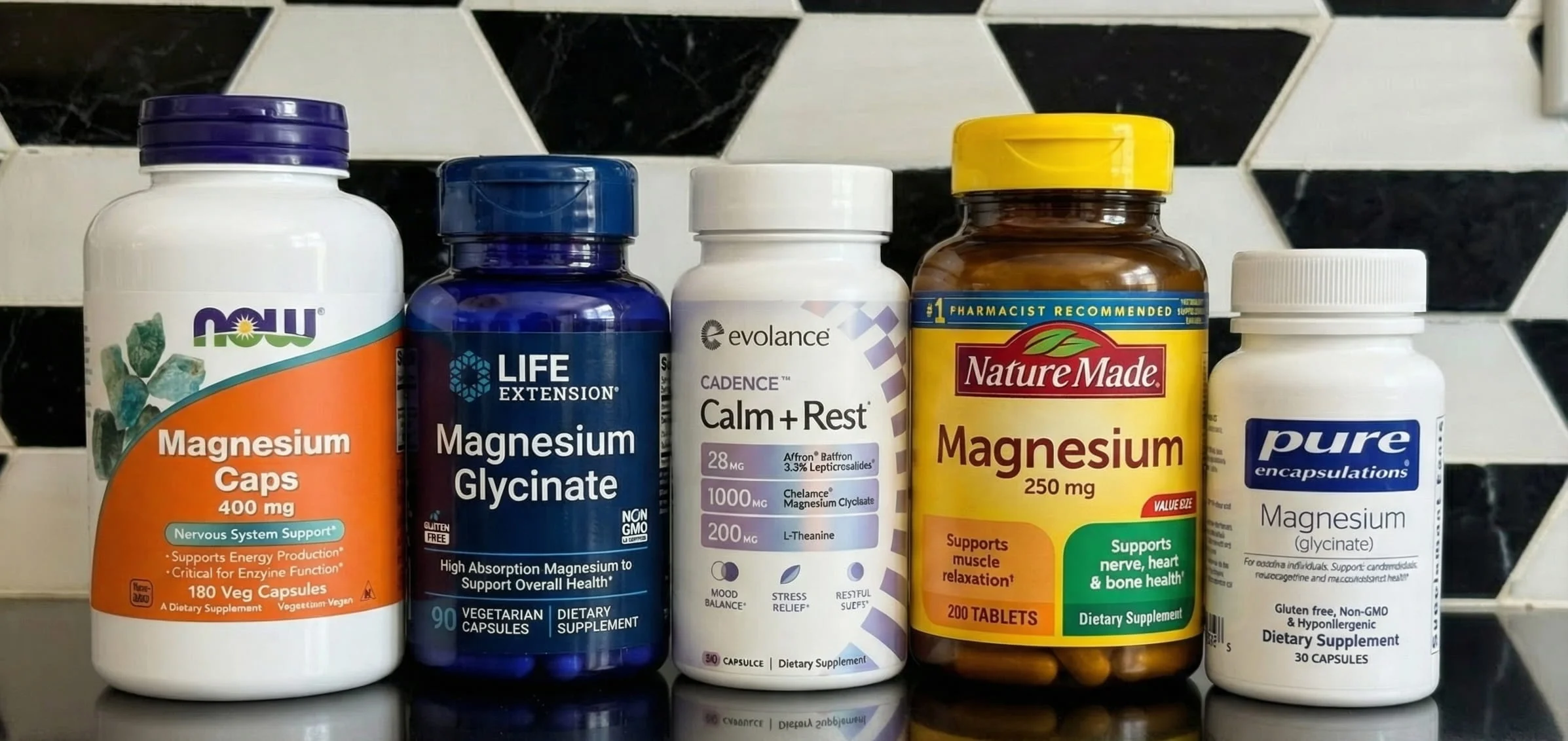

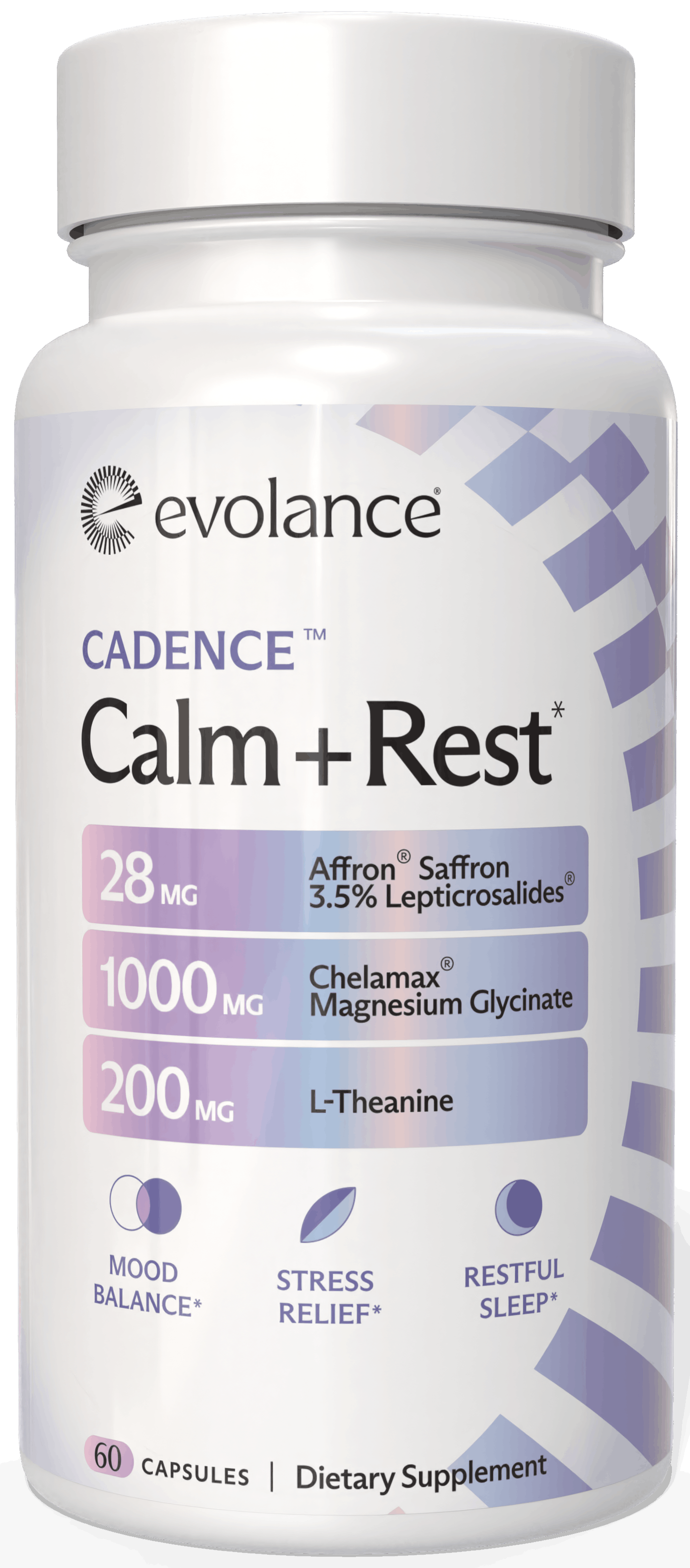
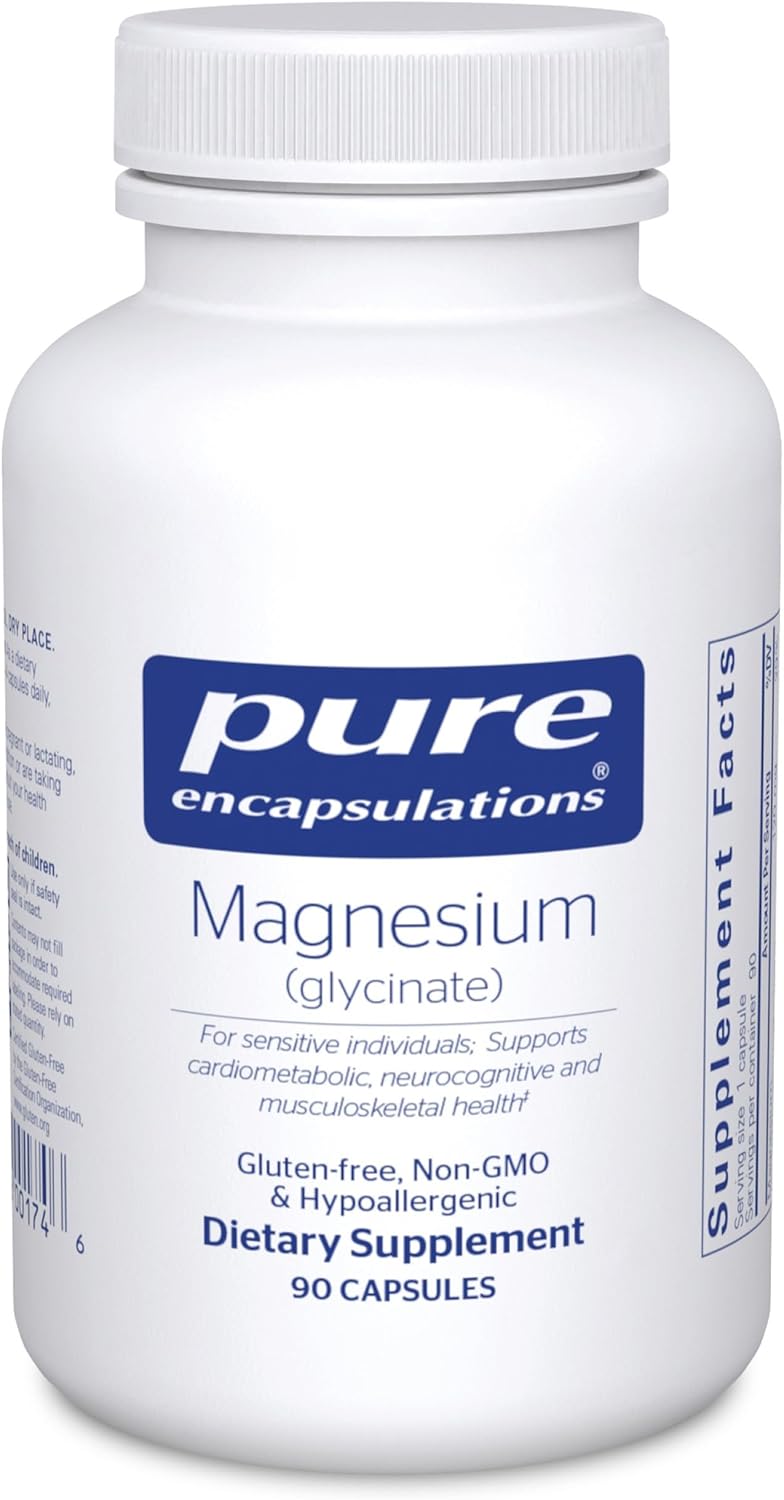
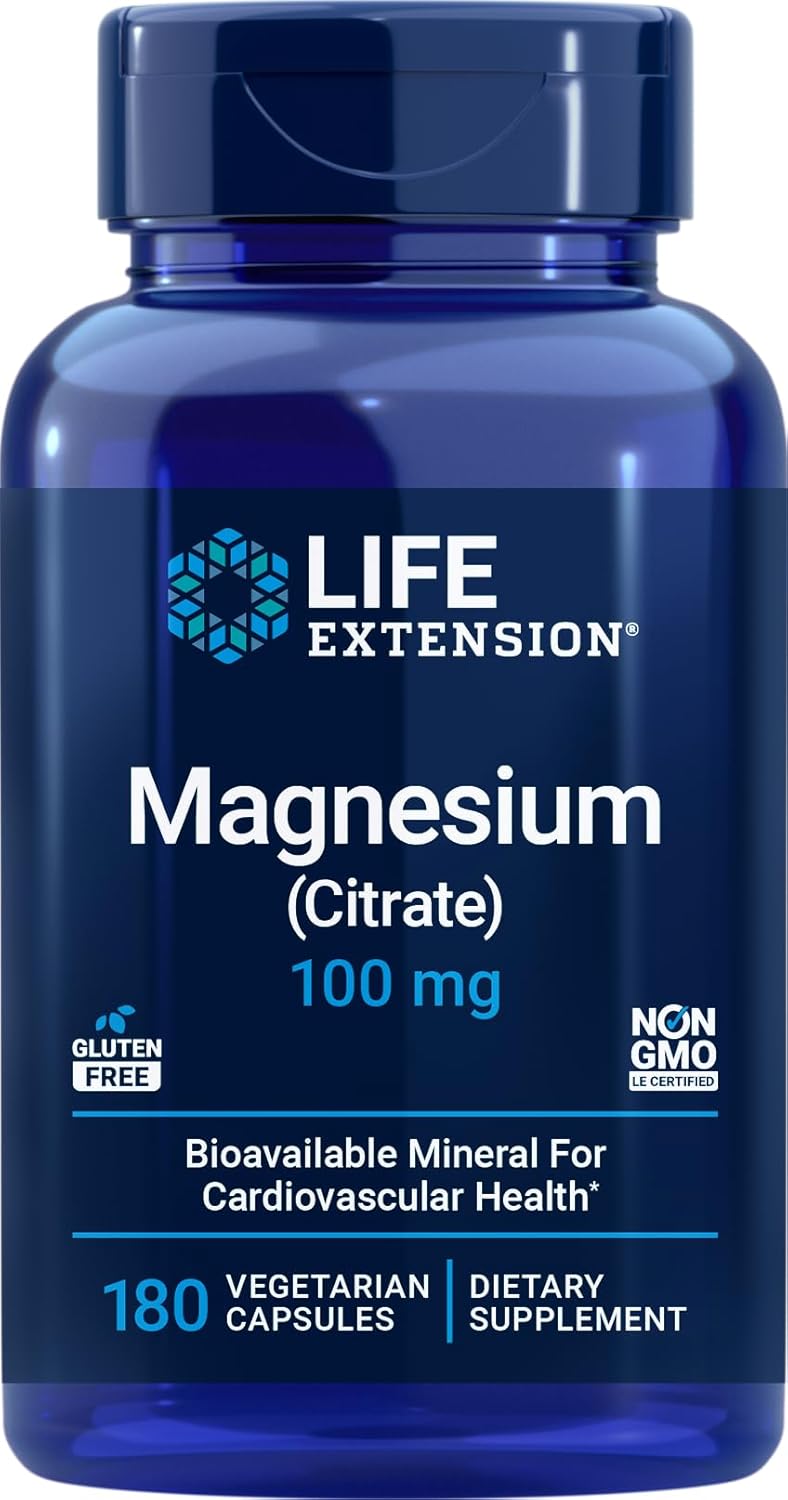
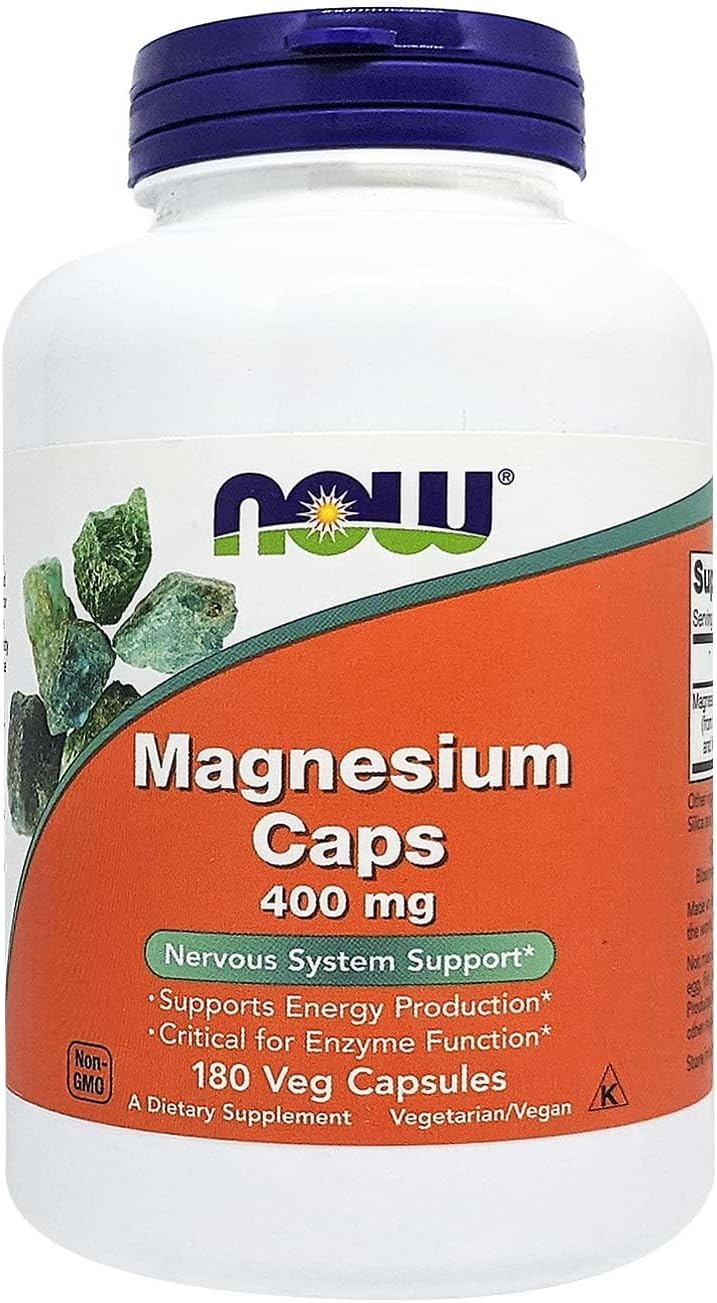
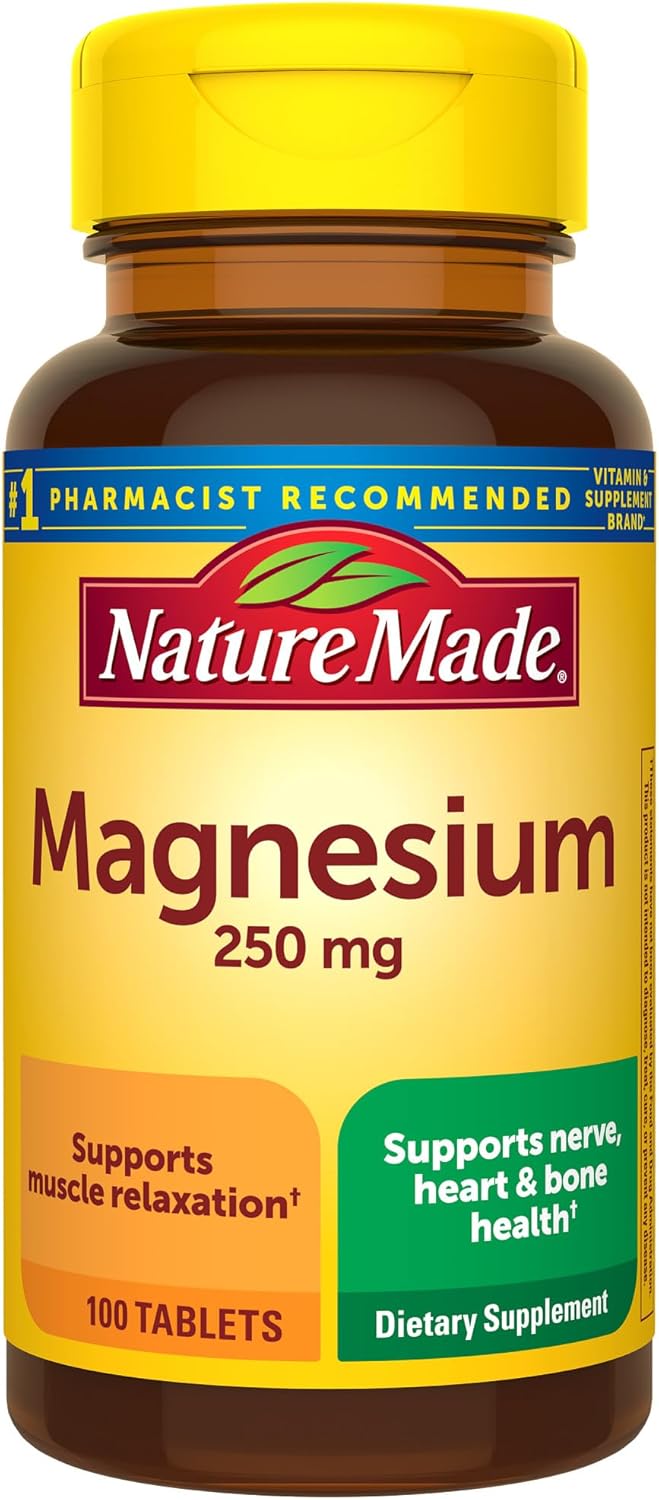
What Real Users Are Noticing
"Felt a noticeable difference within the first week compared to the magnesium-only supplement I was taking before. Sleep quality improved, morning grogginess gone."
"The day/night flexibility is what sold me. I take it in the morning for calm focus at work, and before bed on stressful days. One bottle, two protocols."
"Switched from a 400mg oxide supplement. The difference in how I feel is hard to overstate. No more GI issues either."
Based on a summary of publicly available customer feedback themes. Not a clinical study. Individual results may vary.